Navigating Business Closures: Strategies for Travel and Hotel Industry Amidst Animal Encounters
Category : | Sub Category : Posted on 2024-11-05 22:25:23
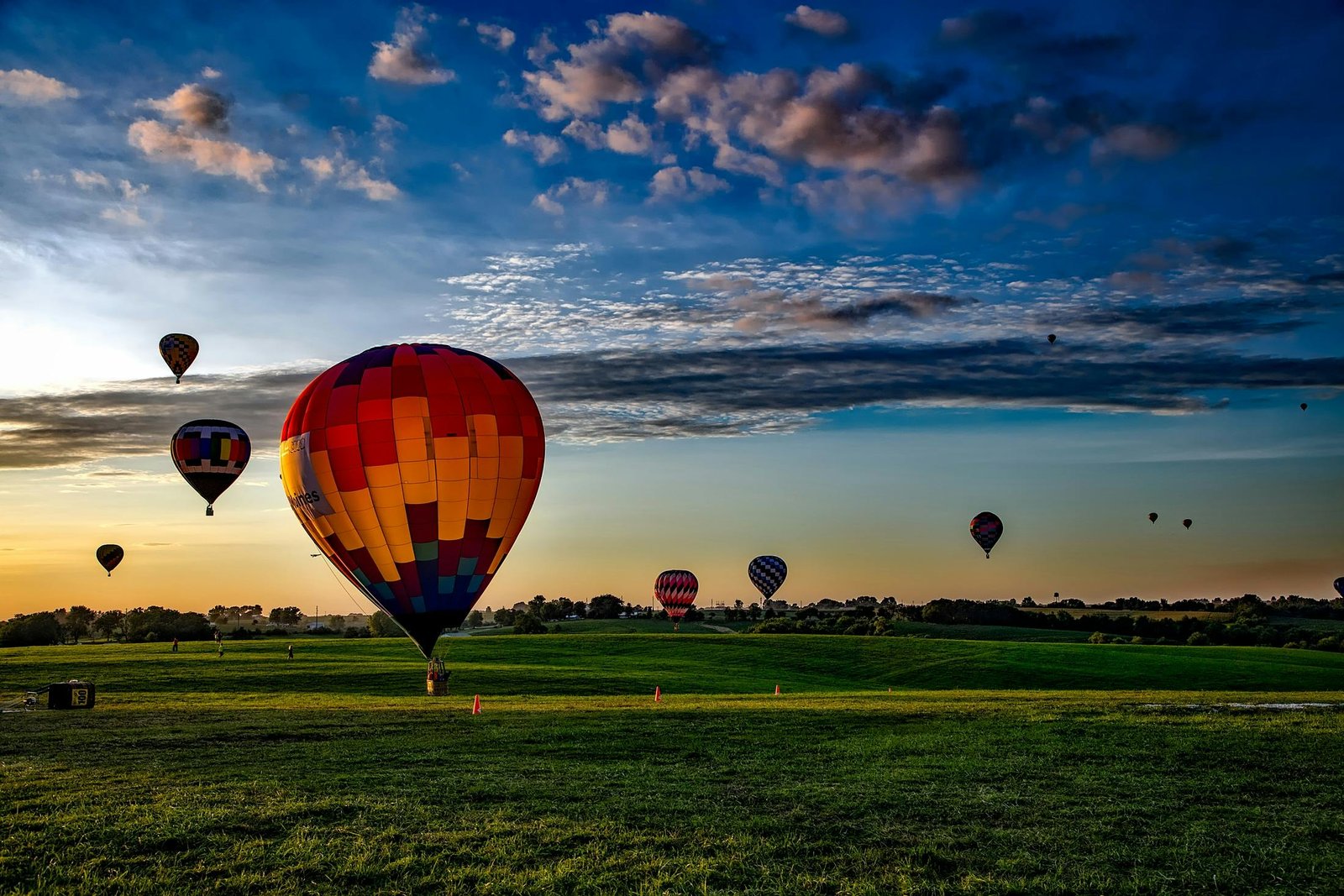
In the ever-evolving landscape of the travel and hotel industry, businesses frequently face the challenge of closures and finishing strategies. While closures can be daunting, especially when unexpected events such as encounters with animals and creatures come into play, there are strategic approaches that can help companies navigate these situations effectively. One common scenario that may lead to business closures in the travel and hotel industry is encountering animals and creatures, whether in a natural habitat or within the confines of a property. From wildlife entering hotel premises to ecological concerns impacting travel destinations, dealing with these situations requires a delicate balance of addressing the immediate threat while safeguarding the well-being of both guests and the animals themselves. When faced with such encounters, proactive communication is key. Providing clear and timely updates to guests about the situation, any necessary closures or alterations to itineraries, and the steps being taken to resolve the issue can help manage expectations and minimize disruptions. Leveraging digital platforms, social media channels, and email communication can ensure that information reaches guests in a timely manner, allowing them to make informed decisions about their travel plans. In addition to communication, collaborating with local authorities, wildlife experts, and environmental organizations is essential in handling animal encounters responsibly. These partnerships can provide valuable insights, resources, and support in managing the situation effectively, while also promoting conservation efforts and sustainable practices within the travel and hospitality sector. As businesses navigate closures resulting from animal encounters, implementing finishing strategies becomes crucial to ensure a smooth transition back to normal operations. Conducting thorough assessments of the property, facilities, and surrounding areas to address any safety concerns or damages caused by the animals is a critical first step. This may involve making repairs, implementing deterrent measures, or enhancing security protocols to prevent future incidents. Furthermore, leveraging the closure period as an opportunity for staff training, reviewing emergency protocols, and enhancing customer service initiatives can strengthen the business's overall resilience and preparedness for unforeseen challenges in the future. Engaging with guests, seeking feedback, and offering incentives for future visits can also help maintain customer loyalty and trust during the closure period. In conclusion, navigating business closures resulting from encounters with animals and creatures in the travel and hotel industry requires a strategic and proactive approach. By prioritizing transparent communication, fostering partnerships with relevant stakeholders, and implementing effective finishing strategies, businesses can effectively mitigate the impact of such incidents and emerge stronger from the experience. Embracing flexibility, resilience, and a commitment to sustainability can not only help businesses weather temporary closures but also cultivate long-term success in an ever-changing market. Whether it's a curious wildlife sighting or a conservation effort impacting your travel plans, addressing animal encounters with a proactive and thoughtful mindset can turn challenges into opportunities for growth and innovation in the travel and hotel industry. Dive into the details to understand this topic thoroughly. https://www.nacnoc.com Dive into the details to understand this topic thoroughly. https://www.qqhbo.com To get more information check: https://www.travellersdb.com More in https://www.mimidate.com Click the following link for more https://www.cotidiano.org Explore this subject further for a deeper understanding. https://www.topico.net
https://especie.org
https://criatura.org
https://continuar.org
Leave a Comment:
SEARCH
Recent News
- Zurich, Switzerland and Vancouver, Canada are two vibrant cities with distinct characteristics that make them stand out in their respective regions. While Zurich is known for its financial prowess and high quality of life, Vancouver is a bustling hub of business and innovation on the west coast of Canada. Let's take a closer look at how these two cities compare in terms of their business environments.
- Located in the heart of Switzerland, Zurich is known for its stunning natural beauty, bustling city life, and thriving business environment. The city attracts businesses from all over the world, thanks to its robust infrastructure, highly skilled workforce, and favorable economic policies. For UK businesses looking to expand or set up operations in Zurich, there are a number of government business support programs available to help navigate the process.
- Zurich, Switzerland is a charming city known for its stunning architecture, picturesque landscapes, and vibrant culture. It is a popular destination for tourists from all over the world, offering a mix of historical sites, modern amenities, and breathtaking natural beauty. One of the must-visit places in Zurich is the old town, where you can stroll through narrow cobblestone streets lined with shops, cafes, and historic buildings.
- Zurich, Switzerland and Tokyo, Japan are two dynamic cities with thriving business scenes. Both cities are prominent global financial centers and are known for their innovation, economic stability, and high quality of life. In this blog post, we will explore the unique business environments in Zurich and Tokyo and compare the two cities in terms of business opportunities, infrastructure, and work culture.
- Zurich, Switzerland, and Sydney, Australia, are two popular travel destinations known for their unique charm and vibrant atmospheres. Travelers looking to explore these cities often seek comfortable accommodation options to enhance their stay. In this article, we will guide you through some top hotels in Sydney to consider for your next visit, and also delve into the beautiful city of Zurich and highlight some of its charming hotels.
- Zurich, Switzerland and Sydney, Australia are two vibrant business hubs that offer unique experiences for entrepreneurs and professionals alike. From finance and banking to tech startups and creative industries, both cities have established themselves as key players in the global business landscape. Let's take a closer look at what makes Zurich and Sydney standout in the business world.
- Zurich, Switzerland, is a vibrant city known for its scenic beauty, rich history, and thriving business environment. One interesting aspect of Zurich's business landscape is the presence of Sudanese entrepreneurs who have made their mark in various industries in the city.
- Zurich, Switzerland is known for its vibrant small business community, with entrepreneurs driving innovation and growth in various industries. However, starting or expanding a small business often requires financial support in the form of small business loans. These loans can provide the necessary capital for businesses to invest in equipment, hire employees, expand operations, or launch new products or services.
READ MORE
11 months ago Category :

Zurich, Switzerland and Vancouver, Canada are two vibrant cities with distinct characteristics that make them stand out in their respective regions. While Zurich is known for its financial prowess and high quality of life, Vancouver is a bustling hub of business and innovation on the west coast of Canada. Let's take a closer look at how these two cities compare in terms of their business environments.
Read More →11 months ago Category :

Located in the heart of Switzerland, Zurich is known for its stunning natural beauty, bustling city life, and thriving business environment. The city attracts businesses from all over the world, thanks to its robust infrastructure, highly skilled workforce, and favorable economic policies. For UK businesses looking to expand or set up operations in Zurich, there are a number of government business support programs available to help navigate the process.
Read More →11 months ago Category :

Zurich, Switzerland is a charming city known for its stunning architecture, picturesque landscapes, and vibrant culture. It is a popular destination for tourists from all over the world, offering a mix of historical sites, modern amenities, and breathtaking natural beauty. One of the must-visit places in Zurich is the old town, where you can stroll through narrow cobblestone streets lined with shops, cafes, and historic buildings.
Read More →11 months ago Category :
