Navigating Misinformation in Urban Redevelopment: The Role of Critical Thinking Skills in Choosing Travel and Hotels
Category : | Sub Category : Posted on 2024-11-05 22:25:23
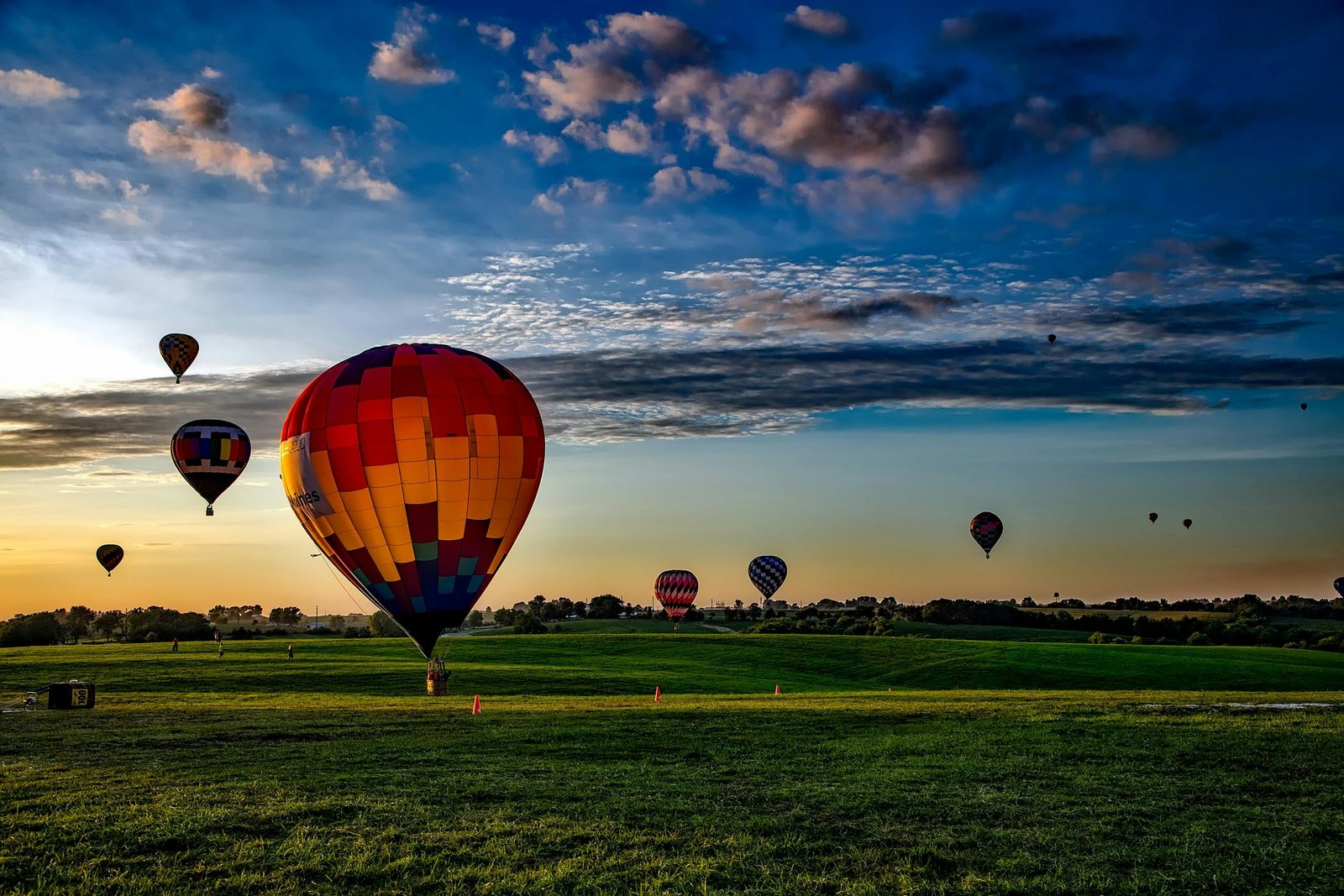
Urban redevelopment has become a key aspect of modern city planning, transforming aging infrastructure into dynamic hubs of innovation and growth. As travelers seek to experience these revitalized urban landscapes, choosing the right accommodations plays a crucial role in their overall experience. However, the abundance of misinformation in the travel and hospitality industry can make it challenging to make well-informed decisions. In such a landscape, honing critical thinking skills becomes essential for travelers looking to navigate through the noise and find the perfect blend of comfort, convenience, and authenticity. Misinformation in the realm of travel and hotels can manifest in various forms. From exaggerated marketing claims to biased online reviews, discerning fact from fiction can be a daunting task. For travelers interested in exploring urban redevelopment areas, the stakes are even higher. The allure of trendy neighborhoods and cutting-edge amenities can sometimes mask underlying issues such as gentrification, displacement of local communities, and a lack of genuine cultural experiences. Without critical thinking skills, travelers risk falling for superficial attractions that fail to offer a true sense of place. So, how can travelers equip themselves with the tools to sift through misinformation and make informed choices when it comes to urban redevelopment destinations and accommodations? Developing critical thinking skills is key. By approaching travel planning with a skeptical eye and a willingness to dig deeper, travelers can uncover the realities behind glossy brochures and polished websites. Here are a few strategies to enhance critical thinking in the context of travel and hotels: 1. Research Beyond Marketing Materials: Look beyond hotel websites and tourist brochures to gain a more comprehensive understanding of a destination. Seek out local perspectives, historical context, and community initiatives related to urban redevelopment projects. 2. Question Assumptions: Challenge preconceived notions and stereotypes about a destination. Consider the impact of redevelopment initiatives on the local economy, environment, and social fabric. 3. Verify Sources and Fact-Check: Before making reservations or booking accommodations, verify information from multiple reputable sources. Cross-reference reviews, ratings, and recommendations to ensure accuracy and reliability. 4. Consider Ethical and Sustainable Practices: Evaluate the commitment of hotels and travel providers to ethical and sustainable practices. Support businesses that prioritize environmental stewardship, social responsibility, and cultural sensitivity. By honing critical thinking skills, travelers can go beyond surface-level attractions and make conscious choices that align with their values and interests. In the realm of urban redevelopment, this means looking beyond the facade of trendy neighborhoods and modern amenities to engage with the authentic stories and experiences that make a destination truly unique. In conclusion, navigating misinformation in the context of travel and hotels requires a combination of awareness, skepticism, and critical thinking skills. As travelers explore urban redevelopment areas, they play a pivotal role in shaping the narrative of these evolving landscapes. By being discerning consumers and responsible visitors, travelers can contribute to the sustainable and inclusive growth of cities around the world. Want to know more? Don't forget to read: https://www.travellersdb.com Explore this subject further for a deeper understanding. https://www.mimidate.com also for more info https://www.cotidiano.org Also Check the following website https://www.topico.net
https://desencadenar.org
https://constructional.org
Leave a Comment:
SEARCH
Recent News
- Zurich, Switzerland and Vancouver, Canada are two vibrant cities with distinct characteristics that make them stand out in their respective regions. While Zurich is known for its financial prowess and high quality of life, Vancouver is a bustling hub of business and innovation on the west coast of Canada. Let's take a closer look at how these two cities compare in terms of their business environments.
- Located in the heart of Switzerland, Zurich is known for its stunning natural beauty, bustling city life, and thriving business environment. The city attracts businesses from all over the world, thanks to its robust infrastructure, highly skilled workforce, and favorable economic policies. For UK businesses looking to expand or set up operations in Zurich, there are a number of government business support programs available to help navigate the process.
- Zurich, Switzerland is a charming city known for its stunning architecture, picturesque landscapes, and vibrant culture. It is a popular destination for tourists from all over the world, offering a mix of historical sites, modern amenities, and breathtaking natural beauty. One of the must-visit places in Zurich is the old town, where you can stroll through narrow cobblestone streets lined with shops, cafes, and historic buildings.
- Zurich, Switzerland and Tokyo, Japan are two dynamic cities with thriving business scenes. Both cities are prominent global financial centers and are known for their innovation, economic stability, and high quality of life. In this blog post, we will explore the unique business environments in Zurich and Tokyo and compare the two cities in terms of business opportunities, infrastructure, and work culture.
- Zurich, Switzerland, and Sydney, Australia, are two popular travel destinations known for their unique charm and vibrant atmospheres. Travelers looking to explore these cities often seek comfortable accommodation options to enhance their stay. In this article, we will guide you through some top hotels in Sydney to consider for your next visit, and also delve into the beautiful city of Zurich and highlight some of its charming hotels.
- Zurich, Switzerland and Sydney, Australia are two vibrant business hubs that offer unique experiences for entrepreneurs and professionals alike. From finance and banking to tech startups and creative industries, both cities have established themselves as key players in the global business landscape. Let's take a closer look at what makes Zurich and Sydney standout in the business world.
- Zurich, Switzerland, is a vibrant city known for its scenic beauty, rich history, and thriving business environment. One interesting aspect of Zurich's business landscape is the presence of Sudanese entrepreneurs who have made their mark in various industries in the city.
- Zurich, Switzerland is known for its vibrant small business community, with entrepreneurs driving innovation and growth in various industries. However, starting or expanding a small business often requires financial support in the form of small business loans. These loans can provide the necessary capital for businesses to invest in equipment, hire employees, expand operations, or launch new products or services.
READ MORE
9 months ago Category :

Zurich, Switzerland and Vancouver, Canada are two vibrant cities with distinct characteristics that make them stand out in their respective regions. While Zurich is known for its financial prowess and high quality of life, Vancouver is a bustling hub of business and innovation on the west coast of Canada. Let's take a closer look at how these two cities compare in terms of their business environments.
Read More →9 months ago Category :

Located in the heart of Switzerland, Zurich is known for its stunning natural beauty, bustling city life, and thriving business environment. The city attracts businesses from all over the world, thanks to its robust infrastructure, highly skilled workforce, and favorable economic policies. For UK businesses looking to expand or set up operations in Zurich, there are a number of government business support programs available to help navigate the process.
Read More →9 months ago Category :

Zurich, Switzerland is a charming city known for its stunning architecture, picturesque landscapes, and vibrant culture. It is a popular destination for tourists from all over the world, offering a mix of historical sites, modern amenities, and breathtaking natural beauty. One of the must-visit places in Zurich is the old town, where you can stroll through narrow cobblestone streets lined with shops, cafes, and historic buildings.
Read More →9 months ago Category :
