Exploring the Intersection of Travel, Hotels, Drones, Linux, and Networks
Category : | Sub Category : Posted on 2024-11-05 22:25:23
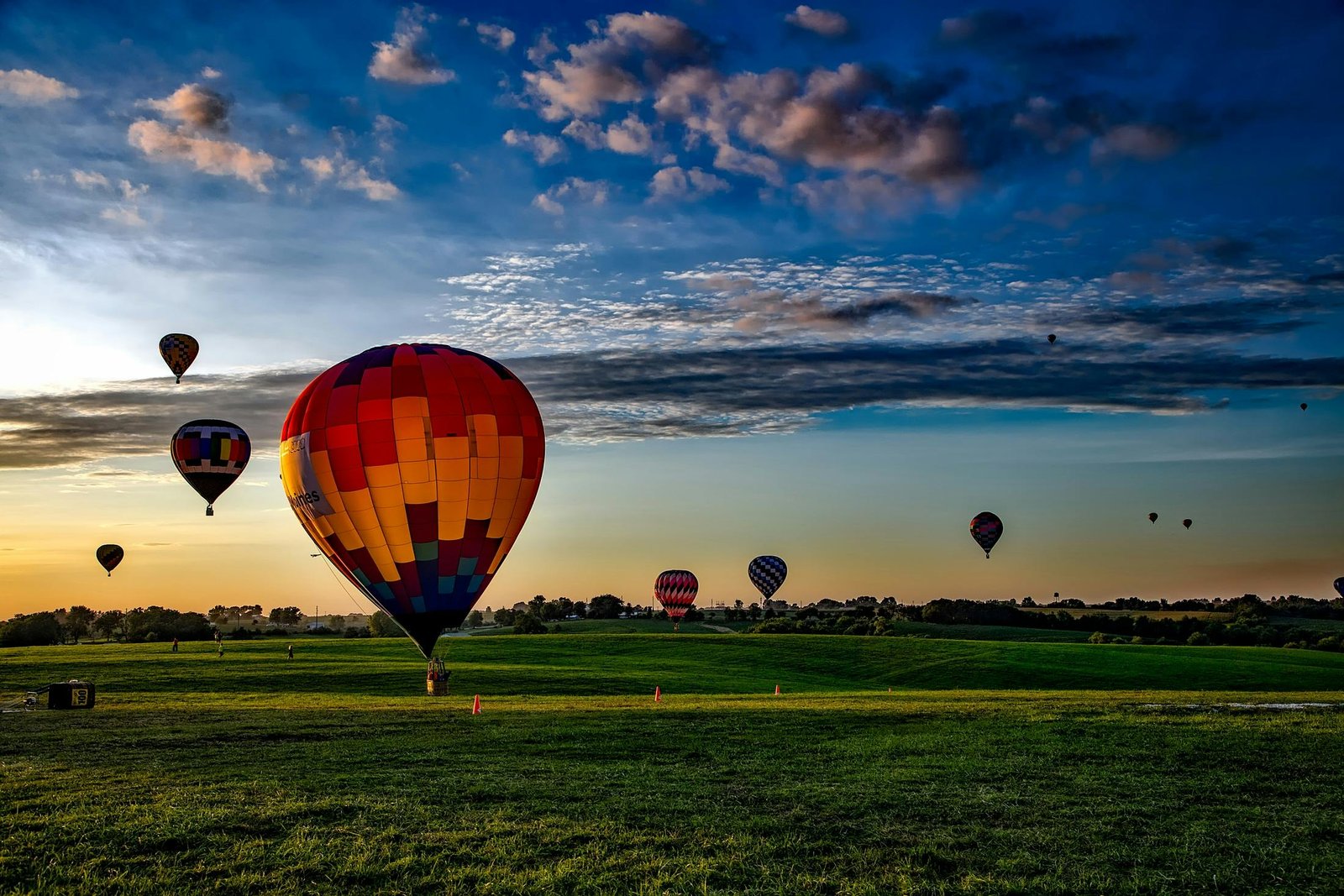
In today's fast-paced world, technology plays a crucial role in enhancing our travel experiences. From booking accommodations to navigating new destinations, travelers rely on a variety of tools and services to make their journeys more convenient and enjoyable. In this blog post, we will delve into the intersection of travel, hotels, drones, Linux, and networks, exploring how these diverse elements come together to shape the future of travel. Hotels are an integral part of the travel experience, serving as a home away from home for weary travelers. With the advent of technology, hotels are increasingly leveraging innovations such as Linux-based operating systems to streamline operations and enhance guest experience. Linux, known for its stability, security, and flexibility, powers a wide range of hotel management systems, including reservation platforms, point-of-sale systems, and customer relationship management tools. By adopting Linux-based solutions, hotels can improve efficiency, enhance data security, and offer personalized services to their guests. In the realm of travel, drones are revolutionizing the way we explore and capture the beauty of different destinations. These unmanned aerial vehicles are equipped with cameras that enable travelers to capture stunning aerial photos and videos of landscapes, landmarks, and attractions. Drones equipped with Linux-powered flight controllers offer advanced features such as autonomous flight capabilities, precise navigation, and real-time video streaming. Travelers can use drones to create captivating travel videos, conduct virtual tours of hotel properties, or even deliver room service items to guest rooms. When it comes to networking technology, reliable and high-speed internet connectivity is essential for both hotels and travelers. Hotels are deploying sophisticated network infrastructure powered by Linux-based servers and routers to provide seamless Wi-Fi coverage to guests across their properties. By leveraging Linux networking solutions, hotels can deliver secure and high-performance internet access to guests, support bandwidth-intensive applications, and manage network traffic efficiently. For travelers, staying connected while on the go is vital for accessing vital information, staying in touch with loved ones, and sharing travel experiences on social media. Linux-based mobile devices and laptops offer a secure and versatile platform for travelers to connect to hotel networks, access travel apps, and stay productive on the road. By integrating Linux support into their networking equipment and services, hotels can ensure compatibility with a wide range of devices and operating systems, providing a seamless connectivity experience for their guests. In conclusion, the convergence of travel, hotels, drones, Linux, and networks is shaping the future of the travel industry, offering new opportunities for innovation and enhancement. By embracing cutting-edge technologies and solutions, hotels can streamline operations, enhance guest experience, and stay ahead of the curve in a rapidly evolving digital landscape. As travelers continue to seek unique and immersive experiences, the possibilities for integrating technology into every aspect of the travel journey are endless.
Leave a Comment:
SEARCH
Recent News
- Zurich, Switzerland and Vancouver, Canada are two vibrant cities with distinct characteristics that make them stand out in their respective regions. While Zurich is known for its financial prowess and high quality of life, Vancouver is a bustling hub of business and innovation on the west coast of Canada. Let's take a closer look at how these two cities compare in terms of their business environments.
- Located in the heart of Switzerland, Zurich is known for its stunning natural beauty, bustling city life, and thriving business environment. The city attracts businesses from all over the world, thanks to its robust infrastructure, highly skilled workforce, and favorable economic policies. For UK businesses looking to expand or set up operations in Zurich, there are a number of government business support programs available to help navigate the process.
- Zurich, Switzerland is a charming city known for its stunning architecture, picturesque landscapes, and vibrant culture. It is a popular destination for tourists from all over the world, offering a mix of historical sites, modern amenities, and breathtaking natural beauty. One of the must-visit places in Zurich is the old town, where you can stroll through narrow cobblestone streets lined with shops, cafes, and historic buildings.
- Zurich, Switzerland and Tokyo, Japan are two dynamic cities with thriving business scenes. Both cities are prominent global financial centers and are known for their innovation, economic stability, and high quality of life. In this blog post, we will explore the unique business environments in Zurich and Tokyo and compare the two cities in terms of business opportunities, infrastructure, and work culture.
- Zurich, Switzerland, and Sydney, Australia, are two popular travel destinations known for their unique charm and vibrant atmospheres. Travelers looking to explore these cities often seek comfortable accommodation options to enhance their stay. In this article, we will guide you through some top hotels in Sydney to consider for your next visit, and also delve into the beautiful city of Zurich and highlight some of its charming hotels.
- Zurich, Switzerland and Sydney, Australia are two vibrant business hubs that offer unique experiences for entrepreneurs and professionals alike. From finance and banking to tech startups and creative industries, both cities have established themselves as key players in the global business landscape. Let's take a closer look at what makes Zurich and Sydney standout in the business world.
- Zurich, Switzerland, is a vibrant city known for its scenic beauty, rich history, and thriving business environment. One interesting aspect of Zurich's business landscape is the presence of Sudanese entrepreneurs who have made their mark in various industries in the city.
- Zurich, Switzerland is known for its vibrant small business community, with entrepreneurs driving innovation and growth in various industries. However, starting or expanding a small business often requires financial support in the form of small business loans. These loans can provide the necessary capital for businesses to invest in equipment, hire employees, expand operations, or launch new products or services.
READ MORE
8 months ago Category :

Zurich, Switzerland and Vancouver, Canada are two vibrant cities with distinct characteristics that make them stand out in their respective regions. While Zurich is known for its financial prowess and high quality of life, Vancouver is a bustling hub of business and innovation on the west coast of Canada. Let's take a closer look at how these two cities compare in terms of their business environments.
Read More →8 months ago Category :

Located in the heart of Switzerland, Zurich is known for its stunning natural beauty, bustling city life, and thriving business environment. The city attracts businesses from all over the world, thanks to its robust infrastructure, highly skilled workforce, and favorable economic policies. For UK businesses looking to expand or set up operations in Zurich, there are a number of government business support programs available to help navigate the process.
Read More →8 months ago Category :

Zurich, Switzerland is a charming city known for its stunning architecture, picturesque landscapes, and vibrant culture. It is a popular destination for tourists from all over the world, offering a mix of historical sites, modern amenities, and breathtaking natural beauty. One of the must-visit places in Zurich is the old town, where you can stroll through narrow cobblestone streets lined with shops, cafes, and historic buildings.
Read More →8 months ago Category :
