**Exploring the Intersection of Travel, Hotels, Artificial Intelligence, and Politics**
Category : | Sub Category : Posted on 2024-11-05 22:25:23
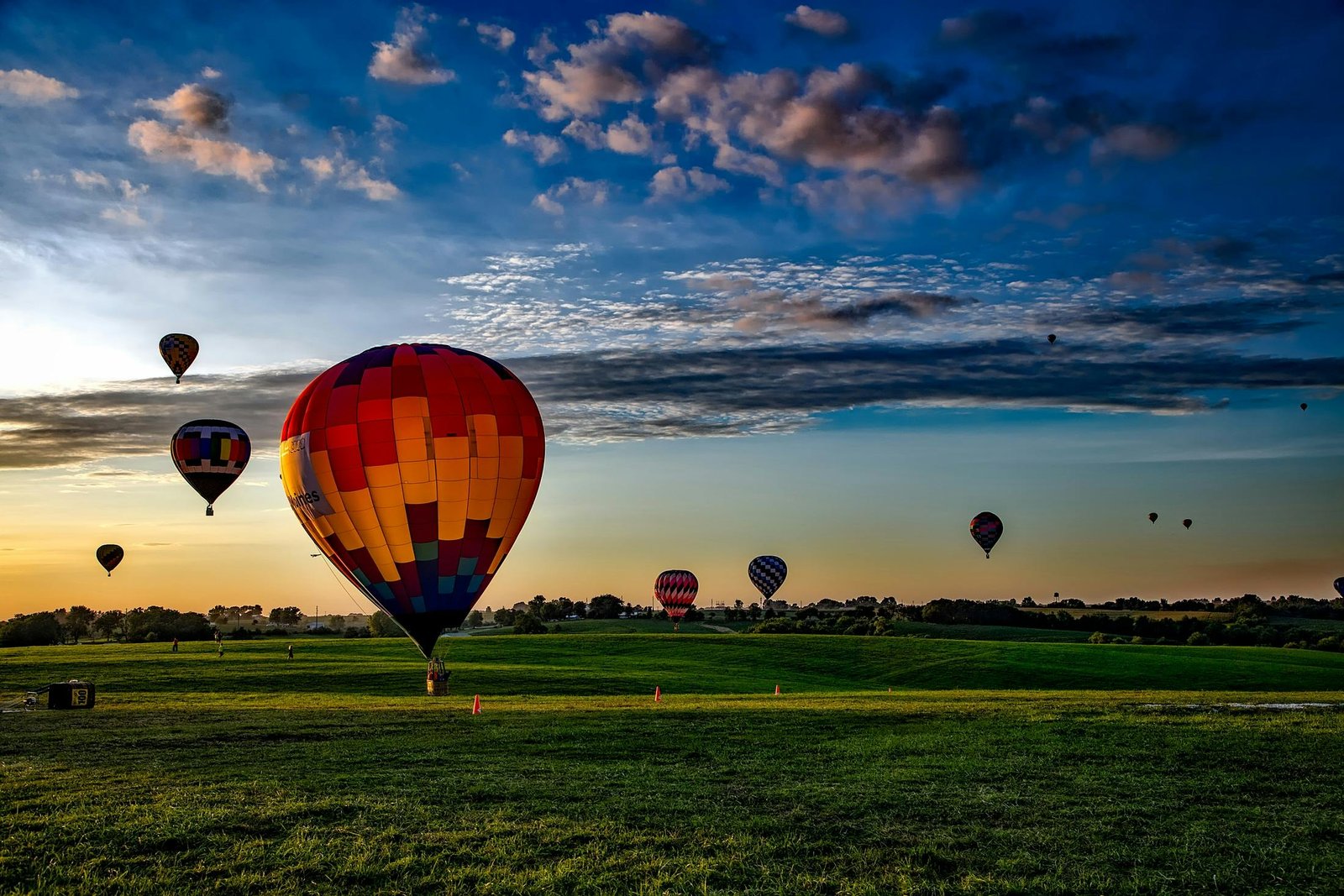
Traveling has become an essential aspect of our lives, and finding the right hotel accommodations can make or break a trip. In recent years, the rise of artificial Intelligence (AI) has revolutionized the Travel and hospitality industries, offering innovative solutions to enhance the overall customer experience. Additionally, the influence of politics on the travel sector cannot be understated, as government policies and international relations play a significant role in shaping the way we explore the world. **Artificial Intelligence in Travel and Hotels** AI has transformed the way we plan and experience our travels. From personalized recommendations based on our preferences to seamless booking processes, AI-powered tools have greatly improved the efficiency and convenience of travel. In the hotel industry, AI chatbots have become popular for providing instant customer support and enhancing the overall guest experience. These chatbots can offer personalized recommendations, provide information about hotel amenities, and address customer inquiries promptly. Moreover, AI is being used to analyze data and predict travel patterns, allowing hoteliers to optimize pricing strategies and improve revenue management. Machine learning algorithms are used to forecast demand, adjust room rates in real-time, and streamline hotel operations. By leveraging AI technology, hotels can offer tailored services that cater to the unique needs of individual guests, ultimately enhancing customer satisfaction and loyalty. **The Influence of Politics on the Travel Industry** Politics plays a crucial role in shaping the landscape of the travel industry. Government policies, regulations, and geopolitical tensions can significantly impact travel patterns and consumer behavior. Travel restrictions, visa requirements, and diplomatic relations between countries all have a direct influence on travel decisions and the flow of tourists. For instance, changes in visa policies can either encourage or discourage international travel to a particular destination. Economic sanctions, political instability, and security concerns can also affect travel decisions, leading to fluctuations in tourist arrivals and departures. In recent years, issues such as Brexit, trade disputes, and the global pandemic have had profound effects on the travel industry, highlighting the interconnectedness of politics and travel. **Navigating the Intersection** As the travel industry continues to evolve, it is essential to understand the intersection of artificial intelligence, politics, and hospitality. By harnessing the power of AI, hotels can streamline operations, enhance customer experiences, and boost profitability. At the same time, staying informed about political developments and global trends is crucial for navigating the complexities of the travel landscape. In conclusion, the convergence of travel, hotels, artificial intelligence, and politics offers a rich tapestry of opportunities and challenges for industry professionals and travelers alike. By embracing innovation, adapting to changing political landscapes, and prioritizing customer satisfaction, the travel and hospitality industries can thrive in an ever-changing world.
Leave a Comment:
SEARCH
Recent News
- Zurich, Switzerland and Vancouver, Canada are two vibrant cities with distinct characteristics that make them stand out in their respective regions. While Zurich is known for its financial prowess and high quality of life, Vancouver is a bustling hub of business and innovation on the west coast of Canada. Let's take a closer look at how these two cities compare in terms of their business environments.
- Located in the heart of Switzerland, Zurich is known for its stunning natural beauty, bustling city life, and thriving business environment. The city attracts businesses from all over the world, thanks to its robust infrastructure, highly skilled workforce, and favorable economic policies. For UK businesses looking to expand or set up operations in Zurich, there are a number of government business support programs available to help navigate the process.
- Zurich, Switzerland is a charming city known for its stunning architecture, picturesque landscapes, and vibrant culture. It is a popular destination for tourists from all over the world, offering a mix of historical sites, modern amenities, and breathtaking natural beauty. One of the must-visit places in Zurich is the old town, where you can stroll through narrow cobblestone streets lined with shops, cafes, and historic buildings.
- Zurich, Switzerland and Tokyo, Japan are two dynamic cities with thriving business scenes. Both cities are prominent global financial centers and are known for their innovation, economic stability, and high quality of life. In this blog post, we will explore the unique business environments in Zurich and Tokyo and compare the two cities in terms of business opportunities, infrastructure, and work culture.
- Zurich, Switzerland, and Sydney, Australia, are two popular travel destinations known for their unique charm and vibrant atmospheres. Travelers looking to explore these cities often seek comfortable accommodation options to enhance their stay. In this article, we will guide you through some top hotels in Sydney to consider for your next visit, and also delve into the beautiful city of Zurich and highlight some of its charming hotels.
- Zurich, Switzerland and Sydney, Australia are two vibrant business hubs that offer unique experiences for entrepreneurs and professionals alike. From finance and banking to tech startups and creative industries, both cities have established themselves as key players in the global business landscape. Let's take a closer look at what makes Zurich and Sydney standout in the business world.
- Zurich, Switzerland, is a vibrant city known for its scenic beauty, rich history, and thriving business environment. One interesting aspect of Zurich's business landscape is the presence of Sudanese entrepreneurs who have made their mark in various industries in the city.
- Zurich, Switzerland is known for its vibrant small business community, with entrepreneurs driving innovation and growth in various industries. However, starting or expanding a small business often requires financial support in the form of small business loans. These loans can provide the necessary capital for businesses to invest in equipment, hire employees, expand operations, or launch new products or services.
READ MORE
8 months ago Category :

Zurich, Switzerland and Vancouver, Canada are two vibrant cities with distinct characteristics that make them stand out in their respective regions. While Zurich is known for its financial prowess and high quality of life, Vancouver is a bustling hub of business and innovation on the west coast of Canada. Let's take a closer look at how these two cities compare in terms of their business environments.
Read More →8 months ago Category :

Located in the heart of Switzerland, Zurich is known for its stunning natural beauty, bustling city life, and thriving business environment. The city attracts businesses from all over the world, thanks to its robust infrastructure, highly skilled workforce, and favorable economic policies. For UK businesses looking to expand or set up operations in Zurich, there are a number of government business support programs available to help navigate the process.
Read More →8 months ago Category :

Zurich, Switzerland is a charming city known for its stunning architecture, picturesque landscapes, and vibrant culture. It is a popular destination for tourists from all over the world, offering a mix of historical sites, modern amenities, and breathtaking natural beauty. One of the must-visit places in Zurich is the old town, where you can stroll through narrow cobblestone streets lined with shops, cafes, and historic buildings.
Read More →8 months ago Category :
