Future of Travel and Hotels: Perspectives and Controversies in Cutting-Edge Technology
Category : | Sub Category : Posted on 2024-11-05 22:25:23
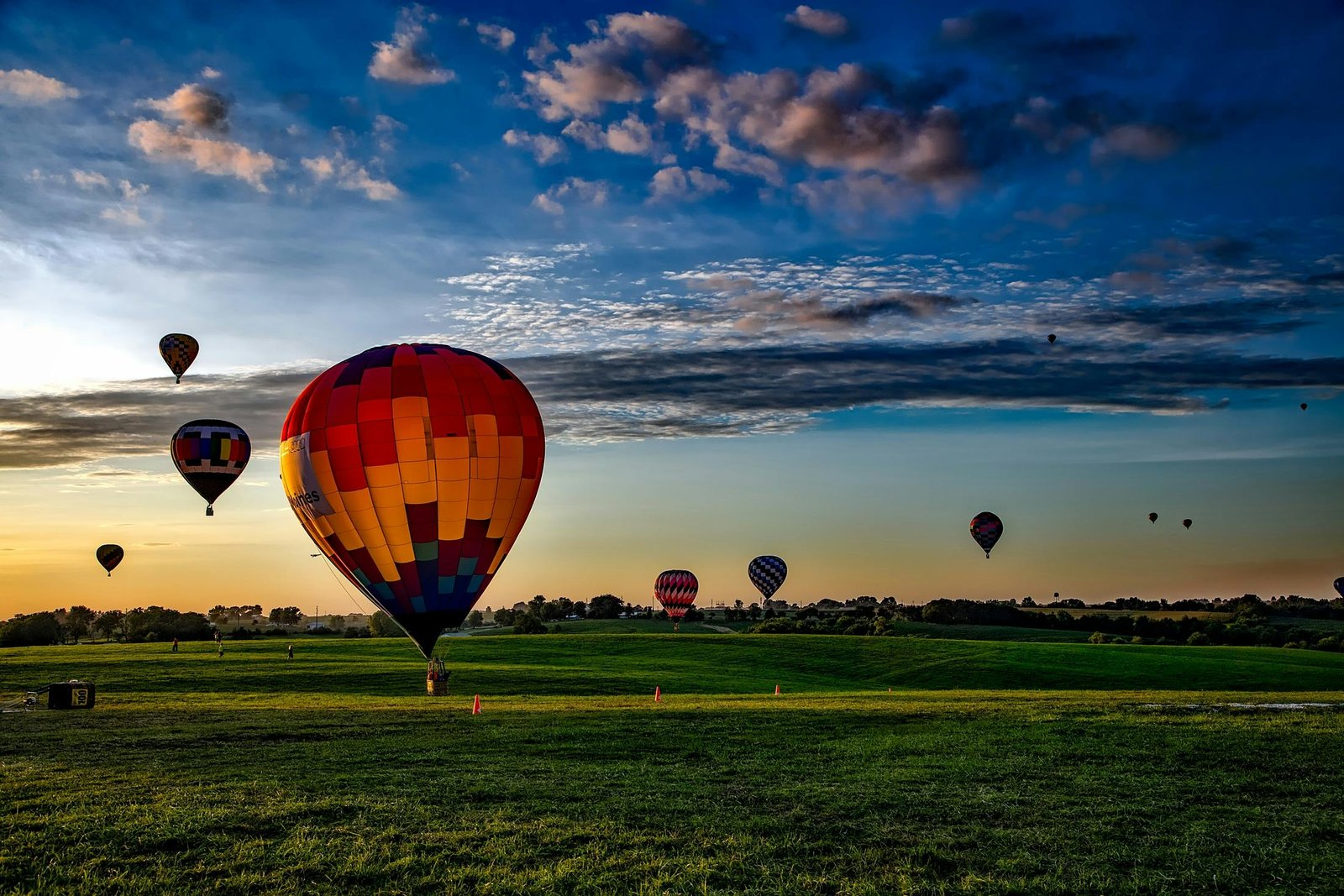
In today's digital age, the landscape of travel and hospitality is constantly evolving with the integration of cutting-edge technology. As we look towards the future, there is a myriad of perspectives and controversies surrounding how these advancements will shape the way we experience travel and stay in hotels. Let's delve into the potential of technology in revolutionizing the travel industry while considering the challenges it may bring. One of the most exciting developments on the horizon is the rise of artificial intelligence (AI) and machine learning in the travel sector. These technologies have the potential to personalize and enhance the customer experience by providing tailored recommendations, predictive analysis, and real-time assistance. Imagine booking a hotel room where AI has already anticipated your preferences, from room temperature to pillow firmness, creating a truly customized stay. However, the use of AI in travel also raises ethical concerns, particularly surrounding data privacy and security. With the vast amount of personal information being collected to deliver personalized experiences, there is a fine line between convenience and intrusion. Striking a balance between utilizing data-driven insights and respecting individual privacy rights will be crucial in ensuring the ethical implementation of AI in travel and hospitality. Another cutting-edge technology set to transform the future of travel is virtual and augmented reality (VR/AR). These immersive technologies have the potential to revolutionize the way travelers research destinations, experience attractions, and even preview hotel rooms before booking. By offering virtual tours and interactive experiences, hotels can give guests a preview of their stay, enhancing transparency and building trust. Yet, the adoption of VR/AR technology in the travel industry may be limited by the cost of implementation and accessibility concerns. Not all travelers may have access to VR headsets or high-speed internet required for immersive experiences, potentially widening the gap between tech-savvy consumers and those with limited resources. Moreover, the increasing reliance on automation and robotics in hotels poses a challenge to the traditional hospitality model. While robotic concierges, housekeeping bots, and automated check-ins can streamline operations and reduce costs, they may also jeopardize the human touch and personalized service that many guests value. Striking a balance between efficiency and hospitality will be paramount in ensuring that technology enhances, rather than detracts from, the guest experience. In conclusion, the future of travel and hotels is undeniably intertwined with cutting-edge technology, offering vast possibilities for innovation and enhancement. However, navigating the perspectives and controversies surrounding these advancements will be essential in shaping a future that prioritizes both technological progress and human-centered hospitality. By embracing the opportunities while addressing the challenges, the travel industry can pave the way for a more seamless, personalized, and sustainable travel experience for all. For an in-depth examination, refer to https://www.travellersdb.com Want to gain insights? Start with https://www.mimidate.com also for More in https://www.cotidiano.org Discover new insights by reading https://www.topico.net
Leave a Comment:
SEARCH
Recent News
- Zurich, Switzerland and Vancouver, Canada are two vibrant cities with distinct characteristics that make them stand out in their respective regions. While Zurich is known for its financial prowess and high quality of life, Vancouver is a bustling hub of business and innovation on the west coast of Canada. Let's take a closer look at how these two cities compare in terms of their business environments.
- Located in the heart of Switzerland, Zurich is known for its stunning natural beauty, bustling city life, and thriving business environment. The city attracts businesses from all over the world, thanks to its robust infrastructure, highly skilled workforce, and favorable economic policies. For UK businesses looking to expand or set up operations in Zurich, there are a number of government business support programs available to help navigate the process.
- Zurich, Switzerland is a charming city known for its stunning architecture, picturesque landscapes, and vibrant culture. It is a popular destination for tourists from all over the world, offering a mix of historical sites, modern amenities, and breathtaking natural beauty. One of the must-visit places in Zurich is the old town, where you can stroll through narrow cobblestone streets lined with shops, cafes, and historic buildings.
- Zurich, Switzerland and Tokyo, Japan are two dynamic cities with thriving business scenes. Both cities are prominent global financial centers and are known for their innovation, economic stability, and high quality of life. In this blog post, we will explore the unique business environments in Zurich and Tokyo and compare the two cities in terms of business opportunities, infrastructure, and work culture.
- Zurich, Switzerland, and Sydney, Australia, are two popular travel destinations known for their unique charm and vibrant atmospheres. Travelers looking to explore these cities often seek comfortable accommodation options to enhance their stay. In this article, we will guide you through some top hotels in Sydney to consider for your next visit, and also delve into the beautiful city of Zurich and highlight some of its charming hotels.
- Zurich, Switzerland and Sydney, Australia are two vibrant business hubs that offer unique experiences for entrepreneurs and professionals alike. From finance and banking to tech startups and creative industries, both cities have established themselves as key players in the global business landscape. Let's take a closer look at what makes Zurich and Sydney standout in the business world.
- Zurich, Switzerland, is a vibrant city known for its scenic beauty, rich history, and thriving business environment. One interesting aspect of Zurich's business landscape is the presence of Sudanese entrepreneurs who have made their mark in various industries in the city.
- Zurich, Switzerland is known for its vibrant small business community, with entrepreneurs driving innovation and growth in various industries. However, starting or expanding a small business often requires financial support in the form of small business loans. These loans can provide the necessary capital for businesses to invest in equipment, hire employees, expand operations, or launch new products or services.
READ MORE
7 months ago Category :

Zurich, Switzerland and Vancouver, Canada are two vibrant cities with distinct characteristics that make them stand out in their respective regions. While Zurich is known for its financial prowess and high quality of life, Vancouver is a bustling hub of business and innovation on the west coast of Canada. Let's take a closer look at how these two cities compare in terms of their business environments.
Read More →7 months ago Category :

Located in the heart of Switzerland, Zurich is known for its stunning natural beauty, bustling city life, and thriving business environment. The city attracts businesses from all over the world, thanks to its robust infrastructure, highly skilled workforce, and favorable economic policies. For UK businesses looking to expand or set up operations in Zurich, there are a number of government business support programs available to help navigate the process.
Read More →7 months ago Category :

Zurich, Switzerland is a charming city known for its stunning architecture, picturesque landscapes, and vibrant culture. It is a popular destination for tourists from all over the world, offering a mix of historical sites, modern amenities, and breathtaking natural beauty. One of the must-visit places in Zurich is the old town, where you can stroll through narrow cobblestone streets lined with shops, cafes, and historic buildings.
Read More →7 months ago Category :
