Exploring Perspectives and Controversies in Recommended Travel and Hotel Architecture
Category : | Sub Category : Posted on 2024-11-05 22:25:23
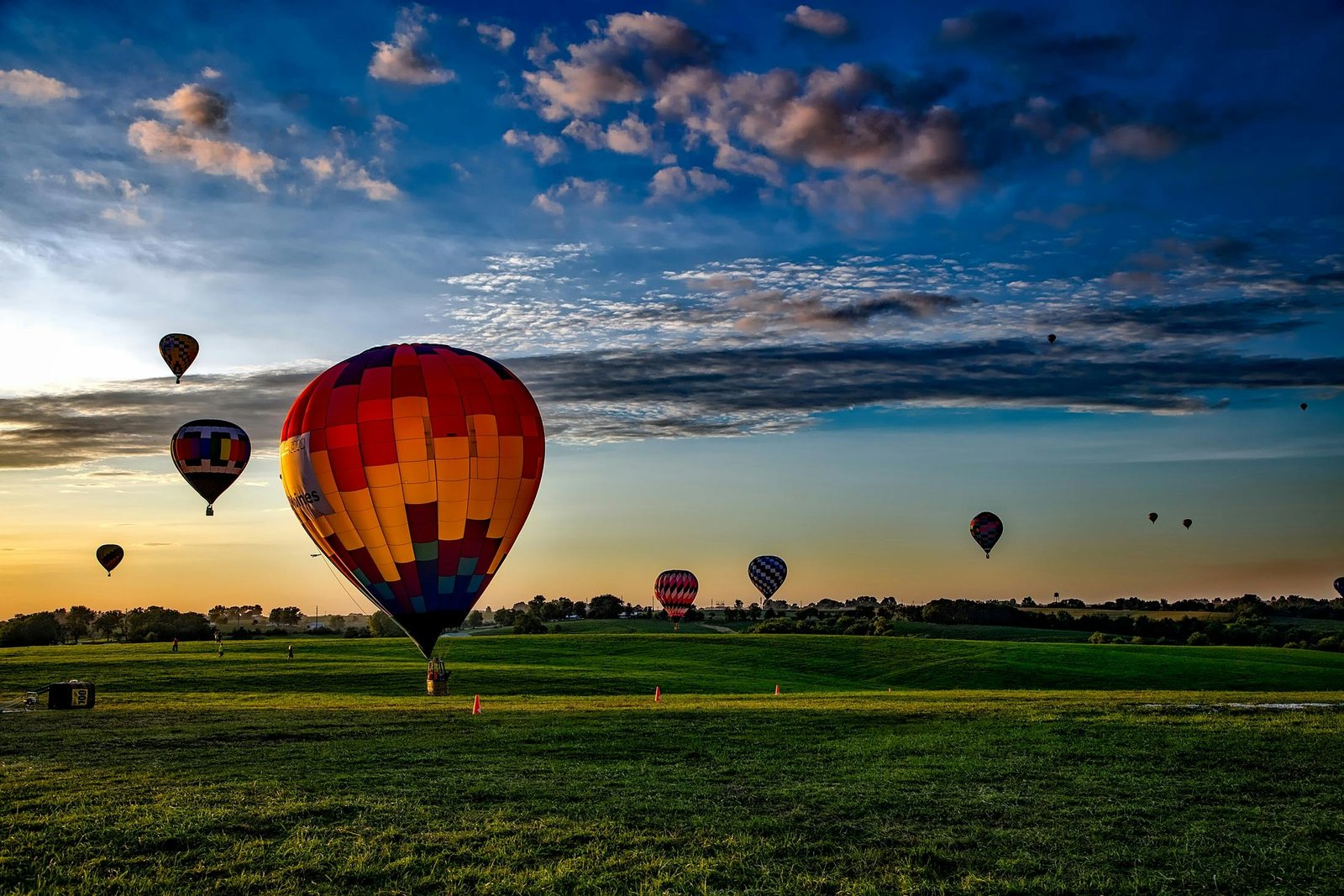
Introduction: The world of Travel and hospitality is constantly evolving, with architecture playing a key role in shaping the experiences of guests. From iconic landmarks to boutique hotels, the design of a property can enhance a traveler's journey and leave a lasting impression. However, like any other field, the realm of travel and Hotel architecture is not immune to controversies and varied perspectives. In this blog post, we delve into the intricacies of recommended travel and hotel architecture, exploring different viewpoints and contentious issues that surround this fascinating industry. The Impact of Architecture on Travel Experiences: Architecture has the power to transform a hotel stay or travel destination into a memorable experience. Thoughtfully designed spaces can evoke emotions, inspire awe, and create a sense of place. Whether it's a modern skyscraper dominating the city skyline or a historic boutique hotel nestled in a quaint neighborhood, the architecture of a property sets the stage for the overall guest experience. From the layout of guest rooms to the design of public spaces, every detail contributes to the atmosphere and ambiance of a place. Recommended Travel Architectural Wonders: When it comes to travel, there are certain architectural wonders that have become must-see destinations in their own right. From the iconic Burj Khalifa in Dubai to the breathtaking Taj Mahal in India, these structures symbolize the intersection of art and engineering. travelers flock to these landmarks not only to marvel at their beauty but also to appreciate the cultural significance and historical importance they represent. Visiting these architectural marvels is a way to connect with the past, present, and future of a destination. Controversies in Hotel Architecture: While architecture can elevate the guest experience, it can also be a source of controversy in the world of hospitality. Issues such as the impact of large-scale developments on local communities, the authenticity of architectural styles in a globalized world, and the sustainability of construction practices are hotly debated topics. Some argue that overly commercialized hotel architecture detracts from the charm of a destination, while others believe that innovative design can enhance the visitor's connection to a place. Balancing aesthetics, functionality, and cultural sensitivity is a challenge that architects and developers grapple with in the quest to create meaningful and impactful spaces. Conclusion: Recommended travel and hotel architecture are essential elements that shape our experiences as travelers and guests. From iconic landmarks that define a destination to boutique hotels that offer intimate retreats, the design of a property plays a crucial role in creating memorable moments. While controversies and differing perspectives exist in the realm of architecture, they contribute to a rich dialogue that informs the future of travel and hospitality design. By appreciating the complexities of architectural innovation and preservation, we can continue to create spaces that inspire, delight, and challenge our perceptions of the built environment. Want to expand your knowledge? Start with https://www.topico.net
Leave a Comment:
SEARCH
Recent News
- Zurich, Switzerland and Vancouver, Canada are two vibrant cities with distinct characteristics that make them stand out in their respective regions. While Zurich is known for its financial prowess and high quality of life, Vancouver is a bustling hub of business and innovation on the west coast of Canada. Let's take a closer look at how these two cities compare in terms of their business environments.
- Located in the heart of Switzerland, Zurich is known for its stunning natural beauty, bustling city life, and thriving business environment. The city attracts businesses from all over the world, thanks to its robust infrastructure, highly skilled workforce, and favorable economic policies. For UK businesses looking to expand or set up operations in Zurich, there are a number of government business support programs available to help navigate the process.
- Zurich, Switzerland is a charming city known for its stunning architecture, picturesque landscapes, and vibrant culture. It is a popular destination for tourists from all over the world, offering a mix of historical sites, modern amenities, and breathtaking natural beauty. One of the must-visit places in Zurich is the old town, where you can stroll through narrow cobblestone streets lined with shops, cafes, and historic buildings.
- Zurich, Switzerland and Tokyo, Japan are two dynamic cities with thriving business scenes. Both cities are prominent global financial centers and are known for their innovation, economic stability, and high quality of life. In this blog post, we will explore the unique business environments in Zurich and Tokyo and compare the two cities in terms of business opportunities, infrastructure, and work culture.
- Zurich, Switzerland, and Sydney, Australia, are two popular travel destinations known for their unique charm and vibrant atmospheres. Travelers looking to explore these cities often seek comfortable accommodation options to enhance their stay. In this article, we will guide you through some top hotels in Sydney to consider for your next visit, and also delve into the beautiful city of Zurich and highlight some of its charming hotels.
- Zurich, Switzerland and Sydney, Australia are two vibrant business hubs that offer unique experiences for entrepreneurs and professionals alike. From finance and banking to tech startups and creative industries, both cities have established themselves as key players in the global business landscape. Let's take a closer look at what makes Zurich and Sydney standout in the business world.
- Zurich, Switzerland, is a vibrant city known for its scenic beauty, rich history, and thriving business environment. One interesting aspect of Zurich's business landscape is the presence of Sudanese entrepreneurs who have made their mark in various industries in the city.
- Zurich, Switzerland is known for its vibrant small business community, with entrepreneurs driving innovation and growth in various industries. However, starting or expanding a small business often requires financial support in the form of small business loans. These loans can provide the necessary capital for businesses to invest in equipment, hire employees, expand operations, or launch new products or services.
READ MORE
7 months ago Category :

Zurich, Switzerland and Vancouver, Canada are two vibrant cities with distinct characteristics that make them stand out in their respective regions. While Zurich is known for its financial prowess and high quality of life, Vancouver is a bustling hub of business and innovation on the west coast of Canada. Let's take a closer look at how these two cities compare in terms of their business environments.
Read More →7 months ago Category :

Located in the heart of Switzerland, Zurich is known for its stunning natural beauty, bustling city life, and thriving business environment. The city attracts businesses from all over the world, thanks to its robust infrastructure, highly skilled workforce, and favorable economic policies. For UK businesses looking to expand or set up operations in Zurich, there are a number of government business support programs available to help navigate the process.
Read More →7 months ago Category :

Zurich, Switzerland is a charming city known for its stunning architecture, picturesque landscapes, and vibrant culture. It is a popular destination for tourists from all over the world, offering a mix of historical sites, modern amenities, and breathtaking natural beauty. One of the must-visit places in Zurich is the old town, where you can stroll through narrow cobblestone streets lined with shops, cafes, and historic buildings.
Read More →7 months ago Category :
