Exploring the Intersection of Deepfake Technology in Travel and Hotels: A Look at Linux Networks
Category : | Sub Category : Posted on 2024-11-05 22:25:23
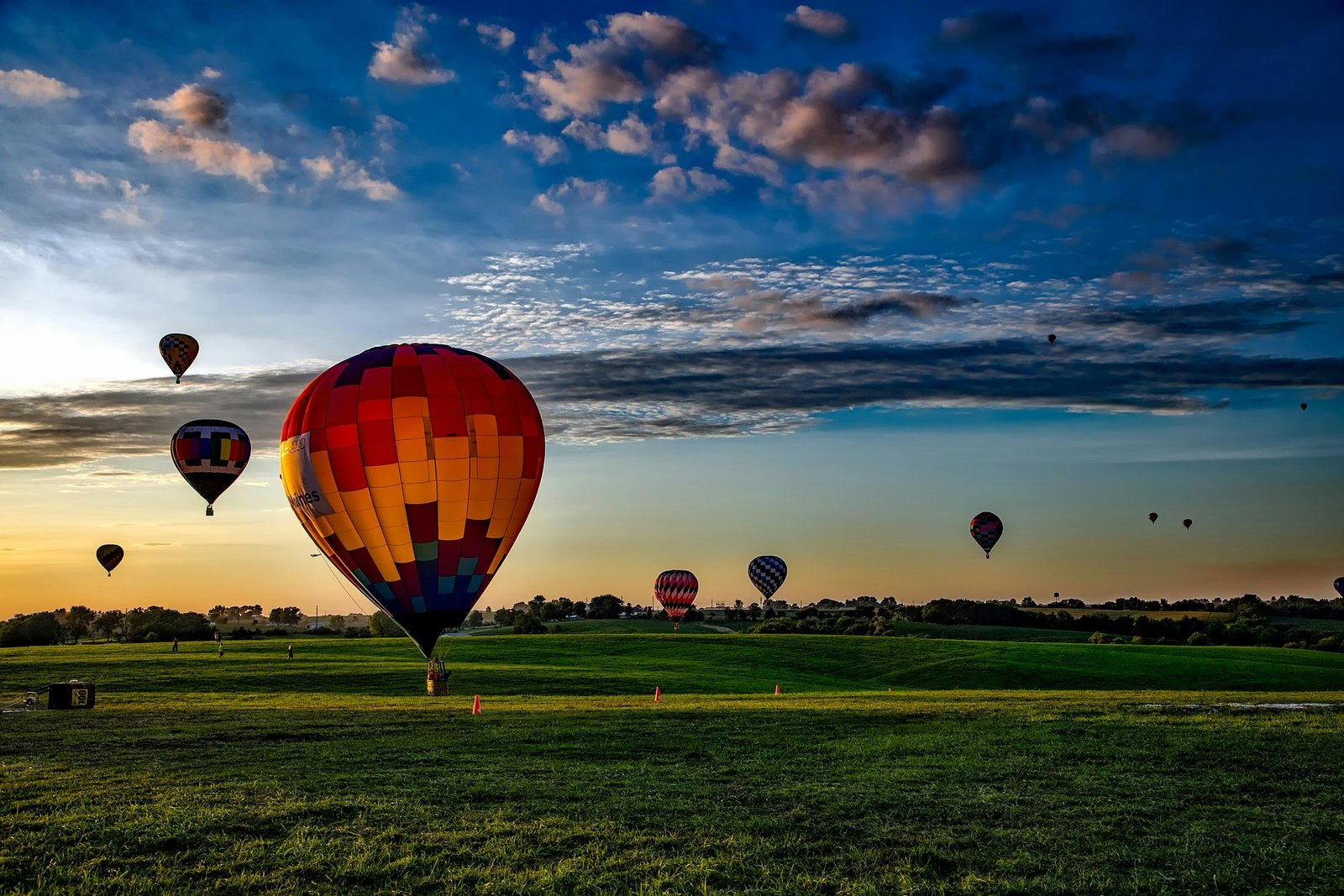
In recent years, deepfake technology has become a hot topic across various industries, including travel and hospitality. This cutting-edge technology, which uses artificial intelligence to create highly realistic fake videos or images, has the potential to revolutionize the way we experience and interact with the world around us. From enhancing customer service in hotels to providing immersive travel experiences, deepfake technology holds great promise for the future of the travel and hospitality industry. One of the key aspects that play a crucial role in the successful deployment of deepfake technology in the travel and hospitality sector is the underlying technology infrastructure. Linux networks, with their robust security features and scalability, are increasingly being leveraged to support the implementation of deepfake technology in various applications. Linux, being an open-source operating system, offers a high level of customization and flexibility that is well-suited for handling the complex computational tasks required for deepfake technology. When it comes to travel and hotels, deepfake technology can be utilized in a multitude of ways to enhance the overall customer experience. For instance, hotels can use deepfake technology to create personalized welcome messages for guests, featuring their favorite celebrities or influencers. This not only adds a touch of personalization to their stay but also creates a memorable experience that sets the hotel apart from its competitors. Moreover, deepfake technology can be used to create virtual tours of travel destinations, allowing potential travelers to explore different places from the comfort of their own homes. This can be especially helpful for individuals with mobility issues or those who prefer to research and plan their trips in advance. By leveraging deepfake technology in this way, travel companies can attract more customers and provide a more engaging and interactive experience. However, as with any emerging technology, there are also ethical considerations that need to be taken into account when using deepfake technology in the travel and hospitality industry. Issues surrounding consent, privacy, and misinformation can arise if deepfake technology is misused or not properly regulated. It is essential for businesses and organizations utilizing deepfake technology to establish clear guidelines and protocols to ensure that it is being used responsibly and ethically. In conclusion, the intersection of deepfake technology and the travel and hospitality industry presents a wealth of opportunities for innovation and creativity. By leveraging the power of Linux networks to support the implementation of deepfake technology, businesses can create immersive and personalized experiences for their customers, ultimately setting themselves apart in a competitive market. As technology continues to advance, it will be exciting to see how deepfake technology continues to shape the future of travel and hotels. For valuable insights, consult https://www.travellersdb.com to Get more information at https://www.mimidate.com For a comprehensive overview, don't miss: https://www.cotidiano.org For a different take on this issue, see https://www.topico.net
Leave a Comment:
SEARCH
Recent News
- Zurich, Switzerland and Vancouver, Canada are two vibrant cities with distinct characteristics that make them stand out in their respective regions. While Zurich is known for its financial prowess and high quality of life, Vancouver is a bustling hub of business and innovation on the west coast of Canada. Let's take a closer look at how these two cities compare in terms of their business environments.
- Located in the heart of Switzerland, Zurich is known for its stunning natural beauty, bustling city life, and thriving business environment. The city attracts businesses from all over the world, thanks to its robust infrastructure, highly skilled workforce, and favorable economic policies. For UK businesses looking to expand or set up operations in Zurich, there are a number of government business support programs available to help navigate the process.
- Zurich, Switzerland is a charming city known for its stunning architecture, picturesque landscapes, and vibrant culture. It is a popular destination for tourists from all over the world, offering a mix of historical sites, modern amenities, and breathtaking natural beauty. One of the must-visit places in Zurich is the old town, where you can stroll through narrow cobblestone streets lined with shops, cafes, and historic buildings.
- Zurich, Switzerland and Tokyo, Japan are two dynamic cities with thriving business scenes. Both cities are prominent global financial centers and are known for their innovation, economic stability, and high quality of life. In this blog post, we will explore the unique business environments in Zurich and Tokyo and compare the two cities in terms of business opportunities, infrastructure, and work culture.
- Zurich, Switzerland, and Sydney, Australia, are two popular travel destinations known for their unique charm and vibrant atmospheres. Travelers looking to explore these cities often seek comfortable accommodation options to enhance their stay. In this article, we will guide you through some top hotels in Sydney to consider for your next visit, and also delve into the beautiful city of Zurich and highlight some of its charming hotels.
- Zurich, Switzerland and Sydney, Australia are two vibrant business hubs that offer unique experiences for entrepreneurs and professionals alike. From finance and banking to tech startups and creative industries, both cities have established themselves as key players in the global business landscape. Let's take a closer look at what makes Zurich and Sydney standout in the business world.
- Zurich, Switzerland, is a vibrant city known for its scenic beauty, rich history, and thriving business environment. One interesting aspect of Zurich's business landscape is the presence of Sudanese entrepreneurs who have made their mark in various industries in the city.
- Zurich, Switzerland is known for its vibrant small business community, with entrepreneurs driving innovation and growth in various industries. However, starting or expanding a small business often requires financial support in the form of small business loans. These loans can provide the necessary capital for businesses to invest in equipment, hire employees, expand operations, or launch new products or services.
READ MORE
7 months ago Category :

Zurich, Switzerland and Vancouver, Canada are two vibrant cities with distinct characteristics that make them stand out in their respective regions. While Zurich is known for its financial prowess and high quality of life, Vancouver is a bustling hub of business and innovation on the west coast of Canada. Let's take a closer look at how these two cities compare in terms of their business environments.
Read More →7 months ago Category :

Located in the heart of Switzerland, Zurich is known for its stunning natural beauty, bustling city life, and thriving business environment. The city attracts businesses from all over the world, thanks to its robust infrastructure, highly skilled workforce, and favorable economic policies. For UK businesses looking to expand or set up operations in Zurich, there are a number of government business support programs available to help navigate the process.
Read More →7 months ago Category :

Zurich, Switzerland is a charming city known for its stunning architecture, picturesque landscapes, and vibrant culture. It is a popular destination for tourists from all over the world, offering a mix of historical sites, modern amenities, and breathtaking natural beauty. One of the must-visit places in Zurich is the old town, where you can stroll through narrow cobblestone streets lined with shops, cafes, and historic buildings.
Read More →7 months ago Category :
