In today's blog post, we will explore the intersection of animals and creatures with recommended travel and hotels business legal compliance. As we delve into this fascinating topic, we will discuss the importance of ensuring that travel and hospitality businesses comply with all legal requirements related to animals and creatures.
Category : | Sub Category : Posted on 2024-11-05 22:25:23
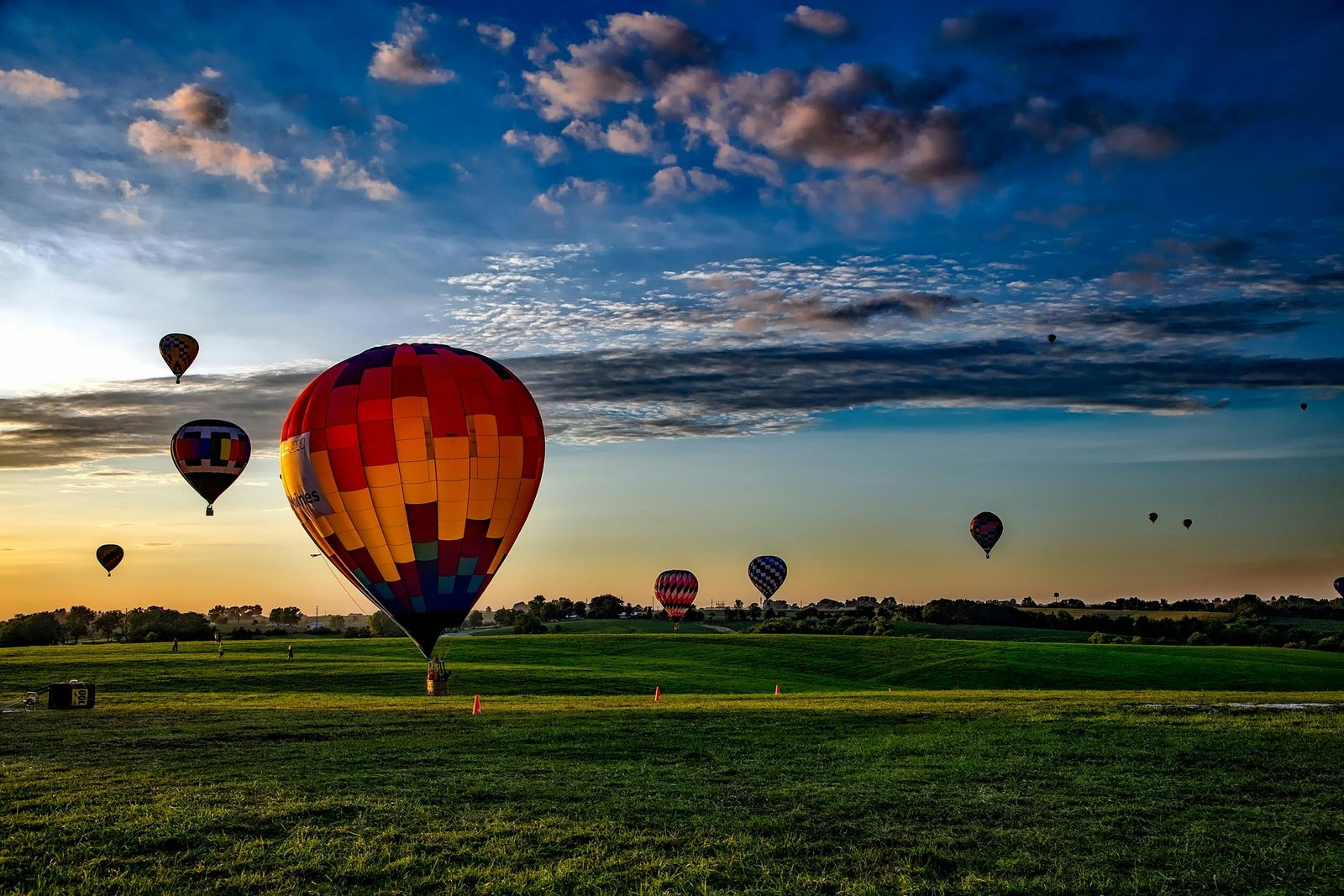
When travelers embark on a journey, they often encounter various animals and creatures along the way. Whether it's observing wildlife in their natural habitats, interacting with domesticated animals at a pet-friendly hotel, or visiting attractions that feature exotic creatures, the presence of animals can enhance the overall travel experience. For travel and hotel businesses looking to incorporate animals and creatures into their offerings, it is essential to prioritize legal compliance. This not only ensures the well-being and safety of the animals but also protects the business from potential legal issues and liabilities. One crucial aspect of legal compliance is adhering to regulations related to animal welfare and conservation. Businesses that interact with animals, such as zoos, aquariums, and wildlife sanctuaries, must follow strict guidelines to ensure the ethical treatment of the animals in their care. This includes providing appropriate habitats, nutrition, and veterinary care, as well as avoiding activities that may cause distress or harm to the animals. Additionally, businesses that offer animal encounters or experiences must obtain the necessary permits and licenses to operate legally. This may involve securing permissions from local authorities, compliance with wildlife protection laws, and adherence to industry standards and best practices. In the realm of accommodations, hotels that welcome pets must establish pet-friendly policies that comply with local regulations and ensure the comfort and safety of both pets and guests. This may include setting guidelines for pet behavior, charging pet fees, and implementing measures to maintain cleanliness and hygiene in pet-friendly rooms. Furthermore, businesses that offer animal-related experiences should have clear terms and conditions that outline the rights and responsibilities of both the business and the customers. This includes informing guests about any risks associated with animal interactions and obtaining consent for participation in activities involving animals. By prioritizing legal compliance in their interactions with animals and creatures, travel and hotel businesses can create memorable and meaningful experiences for their customers while upholding ethical standards and respecting wildlife conservation efforts. Ultimately, aligning with legal requirements ensures that both animals and guests are treated with care and respect, contributing to a positive and sustainable travel industry. In conclusion, the intersection of animals and creatures with recommended travel and hotel businesses highlights the importance of legal compliance in safeguarding animal welfare, customer satisfaction, and overall business reputation. By adhering to regulations and best practices, businesses can create a harmonious balance that enriches the travel experience for all involved. To learn more, take a look at: https://www.travellersdb.com For a different angle, consider what the following has to say. https://www.mimidate.com Want to expand your knowledge? Start with https://www.cotidiano.org Check this out https://www.topico.net
https://especie.org
https://criatura.org
https://castigo.org
https://continuar.org
https://vollmacht.org
Leave a Comment:
SEARCH
Recent News
- Zurich, Switzerland and Vancouver, Canada are two vibrant cities with distinct characteristics that make them stand out in their respective regions. While Zurich is known for its financial prowess and high quality of life, Vancouver is a bustling hub of business and innovation on the west coast of Canada. Let's take a closer look at how these two cities compare in terms of their business environments.
- Located in the heart of Switzerland, Zurich is known for its stunning natural beauty, bustling city life, and thriving business environment. The city attracts businesses from all over the world, thanks to its robust infrastructure, highly skilled workforce, and favorable economic policies. For UK businesses looking to expand or set up operations in Zurich, there are a number of government business support programs available to help navigate the process.
- Zurich, Switzerland is a charming city known for its stunning architecture, picturesque landscapes, and vibrant culture. It is a popular destination for tourists from all over the world, offering a mix of historical sites, modern amenities, and breathtaking natural beauty. One of the must-visit places in Zurich is the old town, where you can stroll through narrow cobblestone streets lined with shops, cafes, and historic buildings.
- Zurich, Switzerland and Tokyo, Japan are two dynamic cities with thriving business scenes. Both cities are prominent global financial centers and are known for their innovation, economic stability, and high quality of life. In this blog post, we will explore the unique business environments in Zurich and Tokyo and compare the two cities in terms of business opportunities, infrastructure, and work culture.
- Zurich, Switzerland, and Sydney, Australia, are two popular travel destinations known for their unique charm and vibrant atmospheres. Travelers looking to explore these cities often seek comfortable accommodation options to enhance their stay. In this article, we will guide you through some top hotels in Sydney to consider for your next visit, and also delve into the beautiful city of Zurich and highlight some of its charming hotels.
- Zurich, Switzerland and Sydney, Australia are two vibrant business hubs that offer unique experiences for entrepreneurs and professionals alike. From finance and banking to tech startups and creative industries, both cities have established themselves as key players in the global business landscape. Let's take a closer look at what makes Zurich and Sydney standout in the business world.
- Zurich, Switzerland, is a vibrant city known for its scenic beauty, rich history, and thriving business environment. One interesting aspect of Zurich's business landscape is the presence of Sudanese entrepreneurs who have made their mark in various industries in the city.
- Zurich, Switzerland is known for its vibrant small business community, with entrepreneurs driving innovation and growth in various industries. However, starting or expanding a small business often requires financial support in the form of small business loans. These loans can provide the necessary capital for businesses to invest in equipment, hire employees, expand operations, or launch new products or services.
READ MORE
11 months ago Category :

Zurich, Switzerland and Vancouver, Canada are two vibrant cities with distinct characteristics that make them stand out in their respective regions. While Zurich is known for its financial prowess and high quality of life, Vancouver is a bustling hub of business and innovation on the west coast of Canada. Let's take a closer look at how these two cities compare in terms of their business environments.
Read More →11 months ago Category :

Located in the heart of Switzerland, Zurich is known for its stunning natural beauty, bustling city life, and thriving business environment. The city attracts businesses from all over the world, thanks to its robust infrastructure, highly skilled workforce, and favorable economic policies. For UK businesses looking to expand or set up operations in Zurich, there are a number of government business support programs available to help navigate the process.
Read More →11 months ago Category :

Zurich, Switzerland is a charming city known for its stunning architecture, picturesque landscapes, and vibrant culture. It is a popular destination for tourists from all over the world, offering a mix of historical sites, modern amenities, and breathtaking natural beauty. One of the must-visit places in Zurich is the old town, where you can stroll through narrow cobblestone streets lined with shops, cafes, and historic buildings.
Read More →11 months ago Category :
